






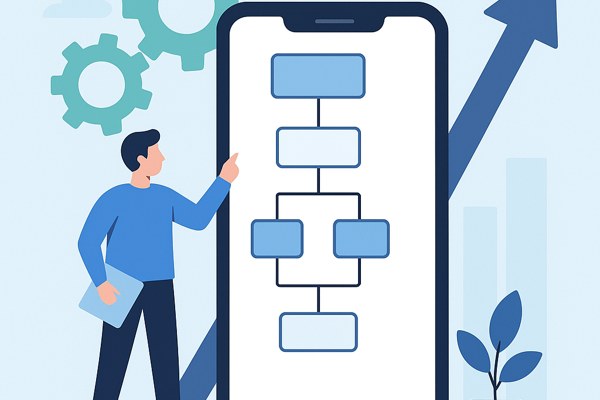
Building an app that thrives over time means thinking beyond the initial launch. Thoughtful app architecture lays a foundation not just for today’s features, but for scaling, maintaining, and evolving your product long into the future. Whether you’re a founder, marketer, or builder without a deep development background, understanding how to plan your app’s architecture can save you time, money, and headaches down the road.
Start with Clear Business Goals and User Needs
Before diving into technology choices, clarify what your app is meant to achieve and who will use it. Long-term growth depends on solving real problems efficiently and enabling new opportunities as your market evolves.
- Define core functionalities: List must-have features versus nice-to-haves to prioritize development efforts.
- Understand your user base: Consider their technical skills, devices, and usage patterns.
- Identify growth triggers: What features or integrations could expand your audience or revenue streams in the future?
Documenting these elements helps guide architectural decisions and avoid costly pivots later.
Choose a Scalable and Modular Architecture
Scalability means your app can handle increased users, data, or complexity without complete rewrites. Modularity ensures you can add or modify features independently.
- Use component-based design: Break your app into distinct modules with clear responsibilities.
- Adopt API-first principles: Design with interfaces that allow different parts of your app or third parties to communicate smoothly.
- Consider microservices or serverless options: For larger or rapidly evolving apps, these architectures can improve flexibility and resource efficiency.
Even if you start simple, an architecture that supports modular growth reduces technical debt, a topic covered in this TechZog guide.
Prioritize Maintainability and Code Quality
Long-lasting apps require clean, understandable code that can be improved or fixed without breaking everything.
- Establish coding standards: Apply consistent formatting, naming conventions, and documentation.
- Implement automated testing: Unit tests and integration tests catch bugs early and enable safe code changes.
- Use version control: Tools like Git track changes and support collaboration.
Even for non-developers, understanding these practices helps set realistic expectations and better communicate with your development team.
Plan for Data Management and Security
Handling user data responsibly is essential for trust and compliance with regulations like GDPR or CCPA.
- Choose the right database: Consider relational databases for complex queries, or NoSQL for flexibility and scalability.
- Implement data encryption: Both at rest and in transit to protect sensitive information.
- Set up access controls: Limit who and what can access different parts of your system.
The MDN Web Security Guide offers excellent resources for securing web applications.
Create a Roadmap for Future Features and Integrations
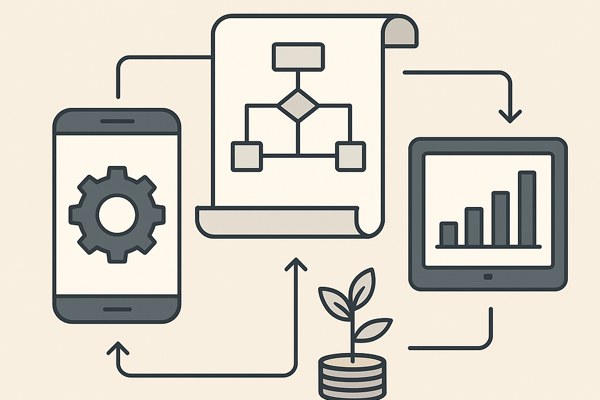
Anticipate how your app might grow and build in hooks for new functionality.
- Design flexible APIs: Plan endpoints that can evolve without breaking existing clients.
- Use feature toggles: Enable or disable features easily during rollout or testing.
- Consider third-party integrations: Payment gateways, analytics, and marketing tools can enhance your app’s value.
Quick Checklist for Sustainable App Architecture
- Business goals and user needs clearly documented
- Modular and scalable architecture chosen
- Code quality and maintenance processes defined
- Robust data management and security measures in place
- Roadmap for future features and integrations established
- Development practices and tools selected for collaboration and reliability
Conclusion: Building for What’s Next
Planning your app’s architecture with long-term growth in mind goes beyond technology choices—it’s about aligning your technical foundation with business vision and user expectations. Start small but think big, prioritize clean, modular design, and invest in security and maintainability from day one.
Next steps: gather your team or advisors, document your goals clearly, and initiate conversations about architecture choices early. The right plan today ensures your app can grow, adapt, and succeed tomorrow.