





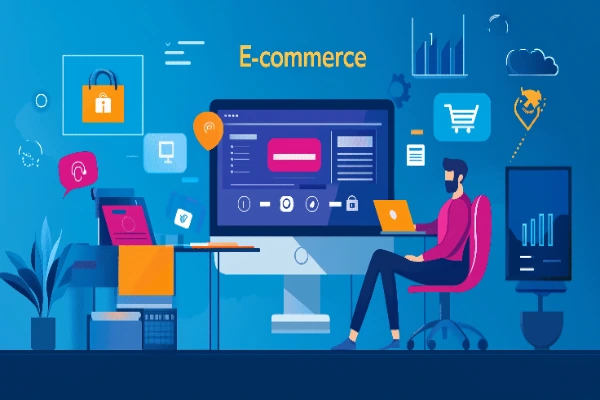
Commerce platforms are changing. Fast. Customers don’t just shop on websites anymore. They shop on mobile apps. Instagram. Marketplaces. Smart devices. Even voice assistants sometimes. And they expect everything to work instantly. No lag. No confusion. That’s where headless commerce starts making sense. Traditional e-commerce platforms tie everything together. Frontend. Backend. Content. Checkout. All stuck in one big system. Change one thing, something else breaks. Developers know this pain very well.
Headless commerce flips the model. The storefront becomes independent. The backend stays separate. APIs connect everything. Which means businesses can move faster. Experiment more. Build better customer experiences. But here’s the catch. Headless commerce alone doesn’t magically fix e-commerce problems. The architecture matters. The features matter even more. If businesses are planning to invest in headless commerce development services in the coming years, these are the capabilities worth building.
Let’s get into it.
What Is Headless Commerce?
Headless commerce separates the frontend from the backend of an e-commerce platform. Simple idea. Big impact.
The backend manages product data, inventory, checkout, payments, and orders. The frontend handles what customers see and interact with. Both layers communicate through APIs. This means businesses can change the storefront without touching the backend system. Launch a mobile app. Redesign the website. Add new shopping channels. All without rebuilding the entire platform. That flexibility is the main reason companies are investing in headless commerce development services today. With the right architecture, the same backend can power multiple experiences: websites, mobile apps, marketplaces, and even voice commerce. Many brands work with an experienced Headless Commerce Development Company to build this API-first infrastructure correctly from the beginning. Because once the foundation is right, scaling and innovation become much easier.
Why Businesses Are Moving to Headless Commerce
e-commerce teams want freedom. Real freedom. Not platforms that slow them down every time they want to change something. Traditional e-commerce systems are rigid. Frontend tied to backend. One change breaks another thing. Developers know the pain. Headless commerce fixes this. The storefront becomes flexible. The backend keeps running the core commerce engine. APIs connect everything. Simple concept, but powerful. This is why many brands now invest in headless commerce development services. Faster launches. Better integrations. Modern storefront experiences.
Top 8 Must-Have Features in Headless Commerce Development
Headless commerce gives businesses more freedom. Faster storefronts. Flexible integrations. Better customer experiences.
But the real advantage comes from building the right features into the architecture. Not just separating frontend and backend, but designing systems that support scalability, performance, and innovation.
Below are the top headless commerce features businesses should prioritize when investing in headless commerce development services to stay competitive in 2026 and beyond.
1. Omnichannel Commerce Experiences
Customers don’t shop from one place anymore. They discover products on social media. Compare prices on websites. Buy through mobile apps. Track orders from email notifications. Commerce is happening everywhere. A traditional e-commerce system struggles with this because every new channel requires additional development. Sometimes a full rebuild. Headless commerce changes that. With an API-first structure, product data and commerce logic can power multiple interfaces. Websites. Mobile apps. Smart devices. Digital kiosks. Same backend. Different experiences.
This is why many businesses investing in headless commerce development services focus heavily on omnichannel architecture. It allows them to sell across platforms without rebuilding their entire system every time a new channel appears. And in 2026, new channels will definitely appear.
2. API-First Commerce Architecture
Everything in headless commerce revolves around APIs.
- Product data? API
- Checkout logic? API
- Payment services? API
- Shipping systems? API again
This API-first architecture gives companies the flexibility they simply cannot achieve with monolithic e-commerce platforms.
Need to add a new payment provider? Connect an API. Need to integrate a CRM or ERP system? Same story.
Businesses working with experienced Headless Commerce developers usually start with a strong API architecture before building anything else. Because once APIs are well structured, everything else becomes easier.
Integrations become smoother. Development cycles become faster. And teams stop fighting their own platform.
3. Ultra-Fast Storefront Performance
Speed matters more than most companies think. A slow e-commerce site kills conversions. Literally. Customers leave. They don’t wait. They don’t care about backend complexity.
Headless commerce helps solve this by separating the storefront from backend processing. Developers can build lightning-fast frontends using modern frameworks like React, Vue, or Next.js. Pages load faster. Interactions feel smoother.
Search engines like it too. Faster websites rank better. Businesses that invest in headless commerce development services often prioritize performance improvements because faster storefronts directly impact revenue.
Sometimes a small performance gain leads to surprisingly large conversion improvements. It happens more often than people expect.
4. AI-Driven Personalization
Customers expect personalization now. Not generic experiences. They want product recommendations. Relevant offers. Curated product feeds.
Headless commerce allows companies to plug AI-powered recommendation engines directly into the customer experience. The homepage can change based on behavior. Returning customers may see completely different products than first-time visitors.
This kind of personalization increases engagement and sales. Simple as that.
Modern Headless Commerce Development Company teams often integrate machine learning tools, customer data platforms, and behavioral analytics to power these personalized experiences.
Because static e-commerce storefronts don’t work anymore. People expect relevance.
5. Flexible Content Management
Content drives e-commerce. Product pages. Landing pages. Blog content. Promotional campaigns. All of it influences purchasing decisions.
In many traditional e-commerce systems, content updates require developer involvement. Marketing teams get stuck waiting. Headless commerce removes this dependency. Businesses can connect a headless CMS to their commerce platform. Marketing teams can update content without touching backend systems.
New campaigns launch faster. Product storytelling improves. Companies investing in headless commerce development services often combine commerce platforms with modern content management systems to empower marketing teams.
Because sometimes the biggest e-commerce bottleneck isn’t technology. It’s workflow.
6. Microservices-Based Infrastructure
E-commerce platforms are complicated systems.
Inventory management. Order processing. Payment gateways. Shipping logistics. Fraud detection. Analytics. Trying to run everything inside one application becomes messy.
Headless commerce works well with microservices architecture. Each service runs independently. Payment processing runs separately. Product search runs separately. Customer accounts run separately.
This structure makes systems more flexible. Developers can update one component without breaking everything else. Teams can scale specific services during high-traffic events. Most experienced Headless Commerce teams prefer microservices because they allow long-term scalability. And e-commerce platforms must scale.
Traffic spikes happen. Promotions happen. Black Friday happens. Systems need to survive all of it.
7. Seamless Third-Party Integrations
No e-commerce business runs on one tool. Companies rely on CRMs. ERPs. Marketing platforms. Customer support systems. Analytics dashboards. Headless commerce makes integrations easier. Because everything is connected through APIs, businesses can integrate new tools without rebuilding their platform.
For example:
- CRM integration for customer data.
- ERP integration for inventory management.
- Payment gateway integration for global transactions.
Businesses that invest in headless commerce development services gain the ability to connect their e-commerce system with the rest of their technology ecosystem. This eliminates data silos. And when data flows properly, decision-making becomes faster.
8. Future-Proof Commerce Scalability
The e-commerce landscape changes constantly. New devices appear. Customer behaviors evolve. Market expectations shift. Traditional e-commerce platforms struggle with these changes because their architecture is rigid.
Headless commerce is more adaptable. Since frontend experiences are separated from backend systems, businesses can redesign storefronts without touching core commerce logic.
- Want to launch a mobile app? Easy.
- Want to integrate voice commerce? Possible.
- Want to experiment with new customer interfaces? Go ahead.
Companies working with a reliable Headless Commerce development team often focus on building a flexible architecture that can support future innovations.
Because the platforms built today must still work five years from now. Maybe longer.
Why Businesses Are Moving Toward Headless Commerce
There’s a reason headless commerce is gaining popularity. Flexibility. Speed. Innovation.
Businesses want control over their customer experience without being restricted by legacy platforms. Headless architecture allows teams to innovate faster. Launch features faster. Experiment with new experiences without rebuilding the entire system.
Organizations investing in headless commerce development services often see benefits in three areas:
- Faster development cycles.
- Better customer experiences.
- Easier integrations with modern tools.
These advantages matter more as e-commerce competition grows. And competition is definitely growing.
Final Thoughts
Headless commerce isn’t just another e-commerce trend. It’s a shift in how digital commerce systems are built. Separating the frontend and backend gives businesses freedom to innovate. Freedom to scale. Freedom to experiment.
But the real value comes from building the right capabilities. Omnichannel commerce. API-first architecture. Personalization engines. Microservices infrastructure. High-performance storefronts. These features will define the most successful e-commerce platforms in 2026. Businesses planning long-term e-commerce growth should start thinking about headless architecture now.
Working with an experienced Headless Commerce development provider helps ensure the platform is designed properly from the beginning.
Because when headless commerce is built correctly, businesses gain something extremely valuable, and that is speed. Flexibility. And the ability to keep evolving while the market keeps changing.