






Launching an app in a competitive category can be a daunting challenge. With countless apps vying for user attention on app stores, standing out requires a well-planned marketing strategy that goes beyond just developing a great product. Whether you are a founder, marketer, or builder, understanding how to effectively market your app can make all the difference in gaining visibility, user acquisition, and long-term success.
Understand Your Market and Audience
Before diving into marketing tactics, it is crucial to gain a deep understanding of your market niche and target audience. This foundational step helps you tailor your message and choose the right channels.
- Analyze competitors: Use tools like SEMrush or Ahrefs to research top-ranking apps in your category. Understand their keyword strategies, user reviews, and marketing channels.
- Define your unique value proposition (UVP): Identify what sets your app apart. Is it a feature, ease of use, price, or something else?
- Develop user personas: Create profiles representing your ideal users, including demographics, preferences, pain points, and behaviors.
- Gather feedback early: Conduct surveys, interviews, or beta tests to get real user insights that can refine your app and messaging.
Optimize Your App Store Presence
App Store Optimization (ASO) is a key factor for discoverability in crowded categories. Optimizing your product page increases organic downloads and conversion rates.
- Keyword research: Focus on high-volume but relevant keywords using ASO tools or SEO platforms like SEMrush to boost your app’s visibility.
- Compelling visuals: Use eye-catching icons, screenshots, and videos to demonstrate your app’s core benefits and user interface.
- Clear and concise description: Highlight your UVP and features using bullet points and engaging language. Include keywords naturally without keyword stuffing.
- Encourage positive reviews: Prompt satisfied users to leave ratings and reviews, as these significantly impact app rankings and trust.
Leverage Paid Advertising Smartly
Paid campaigns can accelerate user acquisition but must be carefully managed to maximize ROI, especially in competitive categories where ad costs may be high.
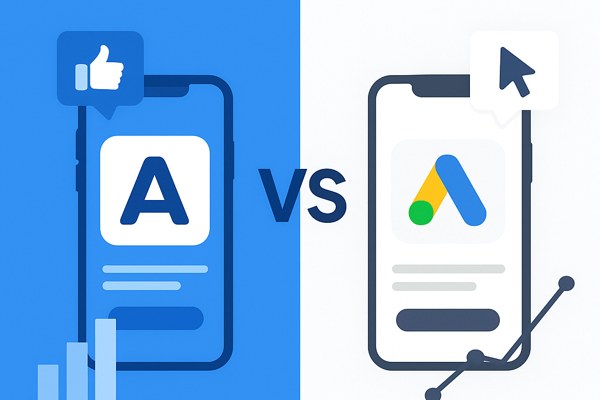
- Target highly specific audiences: Use demographic, interest, and behavior targeting on platforms like Facebook Ads, Google Ads, or Apple Search Ads.
- Test multiple creatives and messages: Experiment with different ad formats (videos, carousel, story ads) and messaging to learn what resonates best.
- Set clear conversion goals: Track installs, in-app events, or subscriptions using analytics tools to measure campaign effectiveness.
- Optimize bids and budgets: Use automated bidding strategies and adjust budgets based on campaign performance.
Build Engagement with Content and Automation
Long-term user retention depends heavily on engagement. Content marketing and automation tools enable you to maintain active communication with your audience and nurture leads.
- Create valuable content: Publish blog posts, guides, and videos related to your app’s niche to attract and educate potential users. For example, TechZog’s digital marketing guides provide actionable insights that can inspire your outreach strategy.
- Automate email campaigns: Platforms like ActiveCampaign or Keap can send personalized emails, onboarding sequences, and re-engagement messages automatically.
- Use in-app messaging: Tools such as InAppStory offer interactive stories and mini-games to keep users engaged inside your app, enhancing retention.
- Leverage social media management tools: Buffer or Hootsuite help schedule and analyze social media content, improving your brand visibility consistently.
Collaborate with Influencers and Communities
Partnering with influencers or active communities in your app’s category can provide targeted exposure and social proof.
- Identify niche influencers: Look for micro-influencers who have loyal followers aligned with your target audience.
- Offer value: Provide exclusive access, affiliate partnerships, or co-created content to incentivize promotion.
- Engage in communities: Participate authentically in forums, Reddit groups, or Facebook communities related to your app’s domain.
- Host giveaways or contests: Encourage user participation and sharing to increase virality and downloads.
Checklist for Marketing Apps in Competitive Categories
- Conduct competitor analysis using SEO and market research tools
- Define your app’s unique value proposition clearly
- Optimize app store listing with keywords, visuals, and social proof
- Plan and execute targeted paid campaigns with clear goals
- Create ongoing content and automate user engagement workflows
- Build relationships with influencers and community members
- Regularly review analytics and adjust strategies accordingly
Conclusion and Next Steps
Marketing an app in a competitive category requires a comprehensive approach that combines understanding your audience, optimizing your app store presence, leveraging paid channels wisely, and fostering ongoing engagement. By using the right mix of tools and tactics—from SEMrush for SEO insights to ActiveCampaign for automation and InAppStory for boosting engagement—you increase your chances of standing out and building a loyal user base.
Start by conducting a detailed competitor analysis, then focus on refining your ASO and crafting targeted ad campaigns that speak directly to your audience’s needs. Parallelly, engage users consistently through valuable content and smart automation sequences. Collaborate with influencers and communities to tap into new user pools and gain authentic endorsements.
For more practical marketing strategies and product growth insights, visit TechZog’s digital marketing section. Embrace these methods systematically to turn your app from just another option into the preferred choice in your category.