





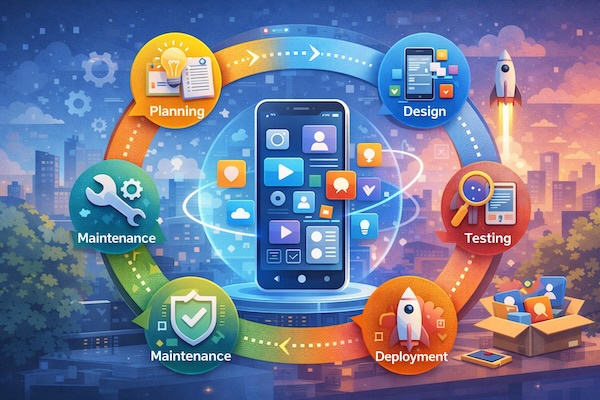
Building an app can seem overwhelming, especially if you’re new to the process. Whether you’re a founder sketching out ideas, a marketer planning the launch, or a builder managing the project, understanding the core steps involved in app development can help you navigate smoothly from concept to market. This guide breaks down the app development lifecycle into clear, manageable stages with practical tips you can use right away.
Understanding the Foundation: Planning and Research
Every successful app starts with a solid plan. In this phase, you define the purpose of your app, identify the target audience, and analyze competitors. It’s essential to gather insights that will guide development and marketing strategies.
- Define your app’s core problem: What user need are you addressing?
- Research competitors: What are they doing well? Where can you differentiate?
- Create user personas: Develop profiles representing your ideal users to keep the team aligned.
- Prioritize features: List must-haves versus nice-to-haves based on user value.
Taking the time to get clarity here reduces risks and creates a roadmap for the entire project.
Designing the User Experience
Good design is about more than aesthetics; it’s about making the app intuitive and enjoyable. During this stage, UX/UI designers translate your ideas into wireframes and visual prototypes. This is the moment to start thinking about how users will interact with the app on different devices.
- Create wireframes: Outline each screen’s layout and navigation flow.
- Build prototypes: Interactive mockups help test functionality early.
- Gather feedback: Share with potential users or team members to spot issues.
- Refine designs: Iterate based on usability testing to improve clarity and engagement.
Using design tools like Figma or Sketch can streamline this process and enhance collaboration.
Turning Designs into an App: Development
The development phase is where your vision becomes a working product. Developers write the code, connect back-end services, and integrate any APIs needed for functionality. Depending on your project, this might involve native development (iOS, Android) or cross-platform frameworks.
- Set up version control: Tools like Git keep track of code changes and facilitate teamwork.
- Develop iteratively: Break work into sprints focusing on delivering small, functional parts.
- Maintain clear documentation: Improves onboarding and future updates.
- Use testing tools: Automate unit and integration tests to catch bugs early.
For non-developers, staying involved with frequent demos and updates ensures the app evolves in the right direction.
Testing and Launch Preparation
Before releasing your app to users, thorough testing is critical. This stage reduces errors and enhances performance, determining whether the app meets both technical and user requirements.
- Conduct different test types: Functional, usability, performance, and security tests all offer valuable insights.
- Gather beta user feedback: Real users can highlight unexpected issues or suggest improvements.
- Fix bugs and optimize: Prioritize critical issues to improve stability and experience.
- Prepare for deployment: Set up app store listings, marketing materials, and analytics tools.
To better understand testing best practices, consider exploring resources like the official Apple App Store guidelines.
Post-Launch: Maintenance and Growth
Launching your app isn’t the end—it’s the beginning of continuous improvement. Post-launch activities focus on monitoring performance, fixing bugs, updating features, and growing your user base.
- Track analytics: Monitor downloads, user engagement, and error reports.
- Act on user feedback: Use reviews and support tickets to prioritize updates.
- Regular updates: Fix bugs, patch security issues, and add new features to keep users engaged.
- Marketing efforts: Coordinate campaigns, social media, and app store optimization to expand reach.
Consistent improvements will help your app stay competitive and responsive to user needs.
Your App Development Checklist
- Identify the core problem and target audience
- Research competitors and define unique features
- Create wireframes and clickable prototypes
- Develop iteratively with regular code reviews
- Conduct comprehensive testing across devices
- Prepare app store assets and launch strategy
- Monitor analytics and gather user feedback post-launch
- Plan continuous updates and marketing outreach
Next Steps to Bring Your App Idea to Life
Now that you understand the lifecycle stages, start by focusing on your app’s core purpose and audience. Use the checklist to keep your project on track and engage with your team frequently to ensure alignment. If you want a deeper dive into tools that can streamline your project management and marketing, check out our guide on smart tools for app builders. Remember, clear planning and continuous communication are your best allies in creating an app that stands out and truly serves its users.
Photo by Andry Sasongko via Pexels