






Marketing your app effectively is essential to its success, but deciding between organic and paid strategies can be challenging. Both methods have distinct advantages and drawbacks, and understanding these can help you optimize your efforts whether you are a founder, marketer, or builder looking to boost your app’s visibility and downloads.
Understanding Organic App Marketing
Organic app marketing involves acquiring users without directly paying for ads. It focuses on building a lasting presence through strategies that attract users naturally over time.
- App Store Optimization (ASO): Improving your app’s title, description, keywords, and visuals to rank higher in app stores.
- Content Marketing: Creating blog posts, videos, or tutorials that solve problems related to your app’s use.
- Social Media Engagement: Engaging communities on platforms like Twitter, Instagram, or LinkedIn by sharing valuable updates and responding to users.
- Referral Programs: Encouraging current users to invite friends through incentives.
Organic marketing builds trust and credibility by showing your app’s value to users who find it through search or word of mouth.
The Key Benefits of Paid App Marketing
Paid marketing involves using advertisements to attract users quickly. This can include Google Ads, Facebook Ads, influencer partnerships, or app store ads.
- Immediate Visibility: Paid campaigns can position your app in front of targeted audiences instantly.
- Precise Targeting: Ads platforms allow you to specify demographics, interests, and behaviors, maximizing the chances of reaching your ideal user.
- Scalability: Paid efforts can scale quickly with increased budget, ideal for launching new features or promotions.
- Measurable Results: You can track installs, costs, and user engagement directly, helping you optimize campaigns efficiently.
When to Choose Organic Over Paid
Organic marketing shines in these scenarios:
- Limited Budget: If funds are tight, organic methods allow steady growth without upfront costs.
- Long-Term Growth: Apps that build communities or rely on user trust often benefit from organic strategies.
- Niche Markets: If your app serves a specific audience, targeted content and referrals may be more effective than broad ads.
- Building Brand Authority: Providing valuable content and user engagement builds a loyal user base over time.
When Paid Marketing Can Give You an Edge
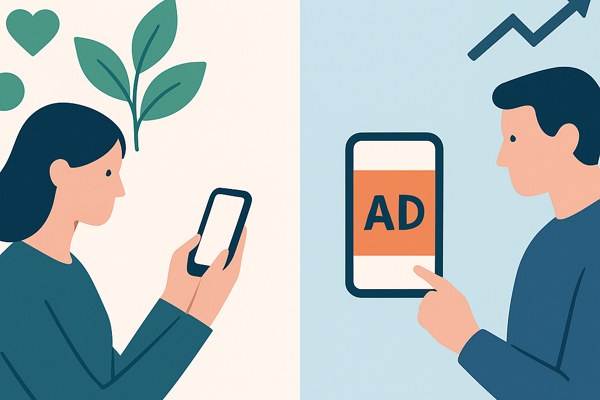
Paid campaigns are useful when you need to:
- Launch Quickly: New apps or updates that require fast user acquisition.
- Test Market Demand: Rapid user feedback on features or pricing through targeted ads helps shape the product.
- Reach New Audiences: Expanding into new markets or demographics that organic methods haven’t tapped.
- Boost Seasonal Campaigns: Promotions tied to events or holidays benefit from immediate visibility.
Combining Both Strategies for Maximum Impact
Often the best approach blends organic and paid efforts. For example, use paid ads initially to jumpstart installs, then nurture users with quality content and community engagement. Over time, optimize your ASO and encourage referrals to reduce acquisition costs.
- Start with targeted ads to test messaging and attract initial users.
- Develop content or tutorials related to your app to engage and educate users.
- Leverage social media to maintain ongoing user interaction.
- Monitor performance data regularly to adjust budgets and focus.
Checklist for Effective App Marketing Strategy
- Optimize your app store listing with relevant keywords and eye-catching visuals.
- Create valuable content related to your app’s use cases.
- Plan and run targeted paid ad campaigns for quick acquisition.
- Engage users through social media and referral incentives.
- Track and analyze marketing performance metrics consistently.
- Adjust and balance organic and paid efforts based on results.
Conclusion and Next Steps
Neither organic nor paid app marketing works best universally. Instead, the right balance depends on your budget, timeline, and target audience. Start by optimizing your app presence and using paid campaigns strategically to gain initial traction. Then, cultivate user relationships through content and community engagement for sustainable growth.
To deepen your understanding of app promotion, check out our comprehensive marketing guides and explore tools that can simplify your workflow. For those considering paid options, Google’s AdWords guide offers an excellent starting point for creating effective campaigns.
By experimenting with both approaches and monitoring results carefully, you can unlock the best growth path for your app and maximize your marketing ROI.
If you think that you have a link that adds value to this article please contact us at techie[at]techzog[dot]com for evaluation of inclusion into the article.
Comments left solely for spamming links will be deleted. Thank you for understanding.