





Creating a successful app goes far beyond development. To truly grow and sustain your app’s user base, you need an effective lifecycle marketing strategy that guides users from discovery to long-term engagement and monetization. Understanding how to manage each stage of your app’s user journey will help maximize both retention and revenue.
Understanding the Core Stages of User Lifecycle
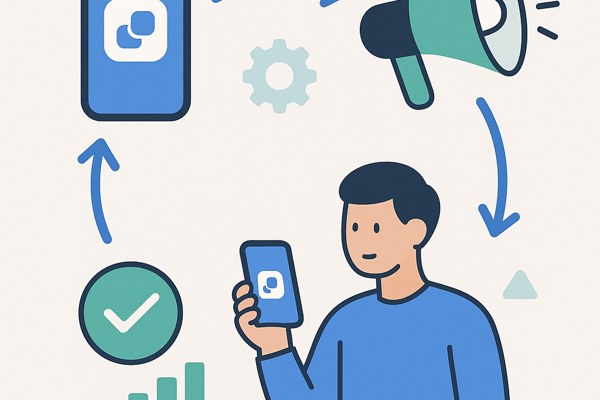
Lifecycle marketing for apps revolves around engaging users at key points in their journey—from the moment they first learn about your app to when they become loyal customers. The main stages are:
- Acquisition: Attracting new users through targeted channels and messaging.
- Activation: Encouraging new users to experience your app’s core value quickly.
- Engagement: Keeping users active and interacting with your app’s features.
- Retention: Preventing churn by creating habit-forming value.
- Monetization: Converting active users into paying customers or driving in-app purchases.
Each stage demands specific marketing tactics tailored to user needs and motivations at that point in the journey.
Boosting Discovery with App Store Optimization
Before users can even engage with your app, they need to find it. App Store Optimization (ASO) is the foundation of acquisition and improves your app’s visibility and conversion rate in app stores. Key practices include:
- Targeting intent-based keywords that match user search behavior.
- Designing conversion-optimized visuals like screenshots, video previews, and icons that clearly communicate your app’s value.
- Writing concise app descriptions and positioning statements addressing user pain points.
- Regularly updating assets and experimenting with different creative concepts to see what resonates.
Well-executed ASO not only drives organic downloads but establishes the first impression that can boost activation rates.
Optimizing Paid User Acquisition
Paid acquisition has evolved beyond scaling volume. Today, it focuses on smarter targeting and ongoing optimization using signal-based strategies, where the quality of data drives campaign adjustments. To make paid user acquisition more effective:
- Leverage mobile attribution platforms like AppsFlyer or Branch to track user behavior and campaign ROI in real time.
- Test multiple creative approaches regularly including native-looking ads and messaging variations tailored to audience segments.
- Automate bid and budget optimization based on user quality signals rather than raw volume.
- Align paid acquisition goals closely with activation and retention metrics to ensure sustainable growth.
Keeping Users Engaged and Retained
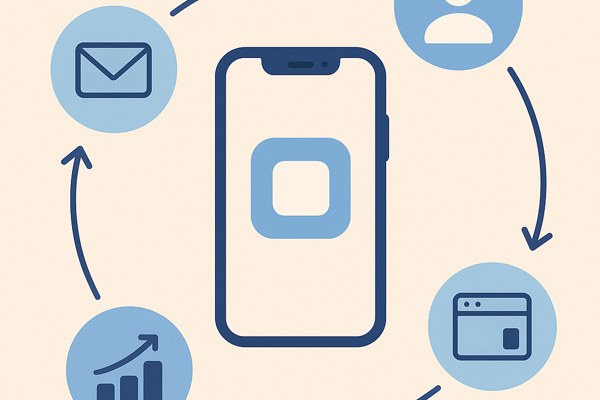
Activation and retention are crucial for turning first-time users into loyal customers. To deliver clear value early and foster habit formation:
- Clarify your onboarding flow and minimize friction. Showcase the core features that solve the user’s problem quickly.
- Implement habit loops by connecting desired app behaviors to user motivations or rewards.
- Use personalized lifecycle messaging via email, push notifications, and in-app messaging to re-engage users and provide relevant content.
- Segment your audience based on behavior and preferences to send timely offers, tips, or reminders tailored to their needs.
Maximizing Revenue Through Conversion Rate Optimization
Converting engaged users into paying customers requires ongoing experimentation and refinement of the monetization funnels. Key areas to focus on include:
- Optimizing paywall design by testing different pricing tiers, messaging, and offers to find what drives the highest conversion.
- Enhancing the lifecycle messaging around purchases to reduce friction and build trust.
- Using in-app prompts strategically to highlight premium features without disrupting user experience.
- Monitoring purchase patterns and adjusting campaigns for upsells, subscriptions, and renewals.
A Practical Checklist for Your App Lifecycle Marketing
- Conduct keyword research and update your app store metadata monthly.
- Set up in-depth user attribution tracking with a platform like Adjust or AppsFlyer.
- Create a content calendar for testing new ad creatives and messaging.
- Streamline onboarding and reduce time-to-first-value for new users.
- Implement segmented push notifications and email campaigns focused on user motivation.
- Regularly analyze retention cohorts and optimize paywall user journeys.
Next Steps to Accelerate Your App’s Growth
Lifecycle marketing is not static; it requires continuous measurement, testing, and tuning. Begin by auditing your current user journey to identify drop-off points. Then, prioritize quick wins such as ASO improvements and onboarding flow enhancements. Integrate attribution tools to get clear insight into campaign effectiveness and user behavior. Finally, build a culture of experimentation around creative assets and conversion funnels.
For more hands-on guides and in-depth strategies on app development and marketing, explore our development category at TechZog. Building a robust lifecycle marketing approach will empower you to not only attract users but convert them into active, loyal customers that fuel your app’s long-term success.