







Managing and delivering content efficiently across platforms can be a challenge, especially if you want to build modern, fast web applications that are scalable and SEO-friendly. Headless CMS solutions like Contentful combined with frameworks such as Next.js provide a powerful duo to solve these challenges. This guide will walk you through setting up a headless CMS using Contentful and Next.js, making it easier for founders, marketers, and builders to create and manage content-rich web apps without deep development complexity.
Understanding the Benefits of a Headless CMS with Next.js
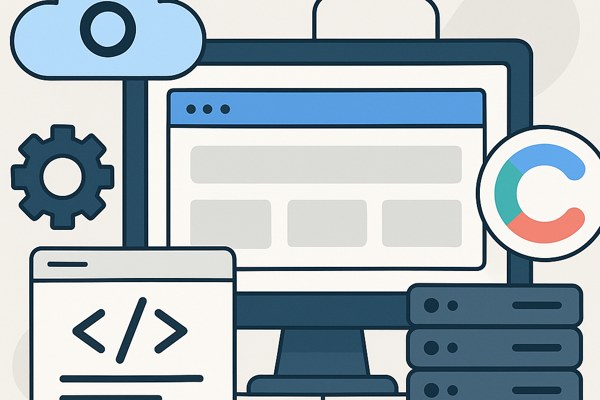
A headless CMS decouples content management from the presentation layer. Unlike traditional CMSs, a headless CMS stores content and exposes it via APIs, allowing you to deliver content anywhere—websites, mobile apps, or other channels. Contentful is one of the leading headless CMS platforms with robust API support and a great editor experience.
Next.js, a React framework, enhances headless CMS integration by offering server-side rendering (SSR) and static site generation (SSG). These features improve page load speed, SEO, and user experience.
- Seamless content updates without redeploying the entire app
- Improved performance with pre-rendering and caching support
- Flexible content delivery across multiple platforms through APIs
You can learn more about the synergy between Next.js and Contentful in their official blog on integrating Next.js with Contentful.
Step 1: Set Up Your Contentful Space and Content Model
Before writing any code, you need to prepare your Contentful environment:
- Create a Contentful account: Start by signing up for a free Contentful account that allows up to 10 users and 100,000 API calls, which is sufficient for small projects.
- Create a new space: In Contentful, a space acts like a project container for your content.
- Define your content models: Structure the types of content you want to manage — for example, blog posts, authors, or product data. Contentful’s flexible content types let you customize fields (text, dates, references, etc.).
- Populate content: Add entries to your content types, including sample text, images, or metadata that you want to display on your Next.js site.
This setup lets you centralize content management while keeping the frontend separate and flexible.
Step 2: Initialize Your Next.js Project
With your content ready, setting up the frontend with Next.js is straightforward:
- Run
npx create-next-app@latest my-contentful-appto scaffold a new Next.js project. - Install Contentful’s official SDK:
npm install contentful. - Create environment variables to store your Contentful Space ID and API access token securely (e.g.,
.env.localfile).
The environmental variables typically look like this:
CONTENTFUL_SPACE_ID=your_space_id_here CONTENTFUL_ACCESS_TOKEN=your_access_token_here
By separating configuration, you keep sensitive information out of your codebase and support multiple environments like development and production.
Step 3: Fetch and Display Content Dynamically
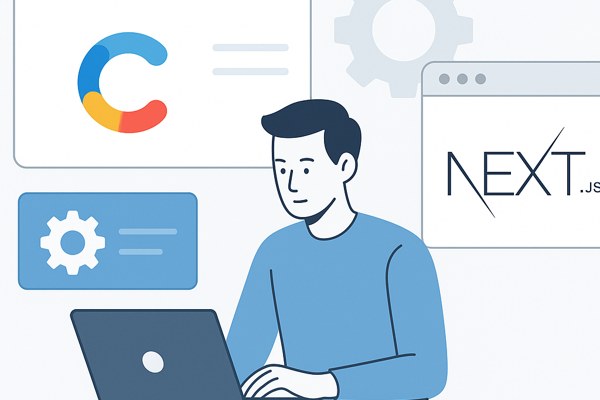
Next, connect Next.js to Contentful’s API to fetch content and render it dynamically or statically:
- Use the Contentful client: Initialize the client in a utility file:
import { createClient } from 'contentful' const client = createClient({ space: process.env.CONTENTFUL_SPACE_ID, accessToken: process.env.CONTENTFUL_ACCESS_TOKEN, }) export default client
- Fetch content in Next.js data fetching methods: Use
getStaticPropsfor static generation orgetServerSidePropsfor server-side rendering:
export async function getStaticProps() { const res = await client.getEntries({ content_type: 'blogPost' }) return { props: { posts: res.items, }, } }
- Render your content in React components: Map through the CMS data and display titles, images, or rich text fields with JSX.
This approach keeps your frontend in sync with your content while leveraging Next.js’s performance benefits.
Step 4: Optimize Performance and SEO
When integrating Contentful with Next.js, consider the following for better results:
- Static site generation (SSG): Pre-render pages at build time to deliver fast loading speeds and improved SEO.
- Incremental Static Regeneration (ISR): Use Next.js ISR capabilities to update static content periodically without full redeployment, ideal for frequent content changes.
- Image optimization: Use Next.js’s built-in
next/imagecomponent alongside Contentful’s image API parameters to deliver optimized images. - Cache content API responses: Implement caching strategies to reduce Contentful API calls and improve app scalability.
Leveraging these techniques will help you deliver a snappy user experience while maximizing the benefits of dynamic content management.
Checklist for Launching Your Headless CMS Project
- [ ] Contentful account created and space configured
- [ ] Content models and entries set up
- [ ] Next.js project initialized with Contentful SDK installed
- [ ] Environment variables securely set
- [ ] Dynamic data fetching implemented in Next.js
- [ ] Pages optimized using SSG or ISR
- [ ] Images optimized and handled with
next/image - [ ] Caching and API rate limiting considerations addressed
- [ ] Deployed to a platform like Vercel for production release
Conclusion and Next Steps
Setting up Contentful as a headless CMS with Next.js empowers you to create fast, scalable, and easily maintainable content-driven applications. This combination helps teams streamline content workflows while providing developers and marketers flexibility in managing presentation and content independently.
As you grow, consider evaluating the pricing tiers of Contentful, as the free limits suit small projects, but costs may rise with increasing content and API usage. Alternatives like Sanity, Strapi, or Storyblok can offer different features and pricing models depending on your needs.
For more guides on building apps and productivity tips, explore our development category to keep enhancing your tech projects effectively.