









Launching a product on Product Hunt can be a powerful way to gain visibility and attract early users, but simply posting your product isn’t enough. To stand out in a crowded marketplace and convert views into real engagement, you need a well-planned strategy. This guide walks you through practical steps to run a Product Hunt campaign that drives meaningful results.
Understanding Product Hunt’s Dynamics
Product Hunt is a daily platform where new tech products are showcased starting at 12:01 AM Pacific Time. Each day’s listings compete for attention, with only a select few featured on the homepage. Knowing how the platform works helps you position your product for maximum impact.
- Daily Launch Cycle: Your product is live for 24 hours and competes with other launches. Early momentum is crucial.
- No SEO Boost: Product Hunt’s outbound links are “nofollow,” so don’t rely on it for SEO benefits, but focus instead on direct user engagement and inbound interest.
- Community-Driven: The audience values honest reviews and interaction, so authentic engagement is key.
Preparing Your Product and Profile
A strong Product Hunt listing involves more than just your product name and description. Preparation can make or break your campaign.
- Clear and Concise Description: Use simple language to explain what your product does and who it helps.
- Visuals Matter: Include attention-grabbing screenshots or videos that demonstrate your product’s value.
- Engaging Tagline: Craft a memorable, benefit-focused tagline to quickly communicate your unique value.
- Personal Profile Setup: Engage with the community through your founder or company profile, including a photo and a compelling bio.
- Get Early Feedback: Use beta testing platforms like BetaList to refine your product and messaging before the big launch.
Building Momentum Before Launch
Generating interest before your Product Hunt day increases your chances of being featured and gaining traction.
- Network with Hunters: Reach out to established Product Hunt users (hunters) who can feature your product, giving you a credibility boost.
- Create a Launch Team: Mobilize your early users, friends, and supporters to upvote and comment during launch day.
- Pre-launch Content: Publish blog posts, emails, and social media updates teasing the launch. For guidance, check out our development category for app launch strategies.
- Utilize Alternatives for Extended Reach: Consider posting on platforms like Uneed or Indie Hackers to catch different segments of your target audience and sustain visibility beyond launch day.
Maximizing Impact on Launch Day
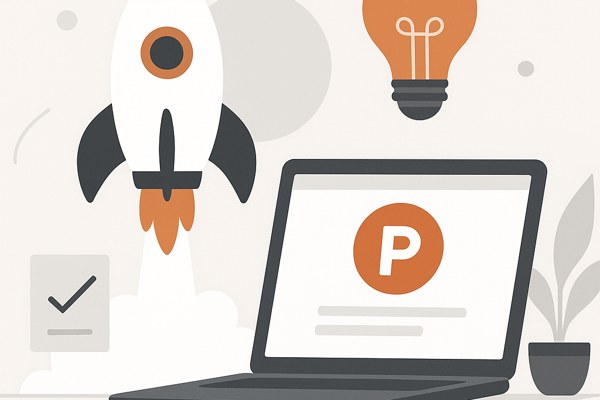
Your actions on launch day directly influence how well your product converts views into sign-ups or sales.
- Launch Early: Post at 12:01 AM Pacific Time to maximize the full daily exposure.
- Active Engagement: Respond promptly and thoughtfully to comments to build rapport and trust.
- Encourage Honest Feedback: Invite users to share genuine opinions to improve your product and demonstrate transparency.
- Share Strategically: Use your social and email channels to drive targeted traffic, emphasizing your product’s benefits rather than just asking for upvotes.
- Leverage “Skip the Line”: If using Uneed for an alternative launch, remember their $29.99 option to secure an earlier launch date, amplifying your presence in a less crowded environment.
Following Up for Sustained Growth
The launch day is just the beginning. How you nurture your newfound audience determines the long-term success of your product.
- Gather and Act on Feedback: Address user concerns and improve your product rapidly.
- Continue Engaging Communities: Stay active on Product Hunt and related forums like Indie Hackers and DevHunt for developer-centric tools.
- Track Performance: Analyze referral traffic and conversion rates from your Product Hunt launch to optimize future campaigns.
- Cross-Promote: Use insights gained to refine your marketing and development efforts across channels.
Launch Campaign Checklist
- Prepare clear and compelling product description and visuals
- Engage early supporters and potential hunters
- Schedule launch for 12:01 AM Pacific Time
- Have your launch team ready to upvote and comment
- Monitor and respond to feedback promptly during launch day
- Promote launch through your social and email channels with focus on value
- Post on alternative platforms like Uneed or Indie Hackers for added reach
- Collect data and user feedback for continuous improvement post-launch
Conclusion and Next Steps
A Product Hunt campaign that converts requires careful planning, authentic community engagement, and follow-up activity. By understanding the platform’s dynamics, preparing your product listing thoughtfully, and activating your network, you can increase your chances of standing out and gaining valuable users. Remember to complement your launch with alternative platforms like Uneed and BetaList to amplify reach and maintain momentum.
To further enhance your product development and marketing skills, explore more actionable guides on Techzog’s development section. Empower your team with practical insights and keep your launch strategies effective and up-to-date.